Imagine waking up to find that the weather you have always known has changed. The rains no longer follow their familiar patterns. The heat is hard to bear. Farmers harvest less, food prices climb, and people who depend on the land begin to worry.
For Lagosians, Yan Bauchi, Ndi Enugu and Nigerians everywhere, this is not just a story. It is a risk we should prepare for.
Three Lives, One Climate
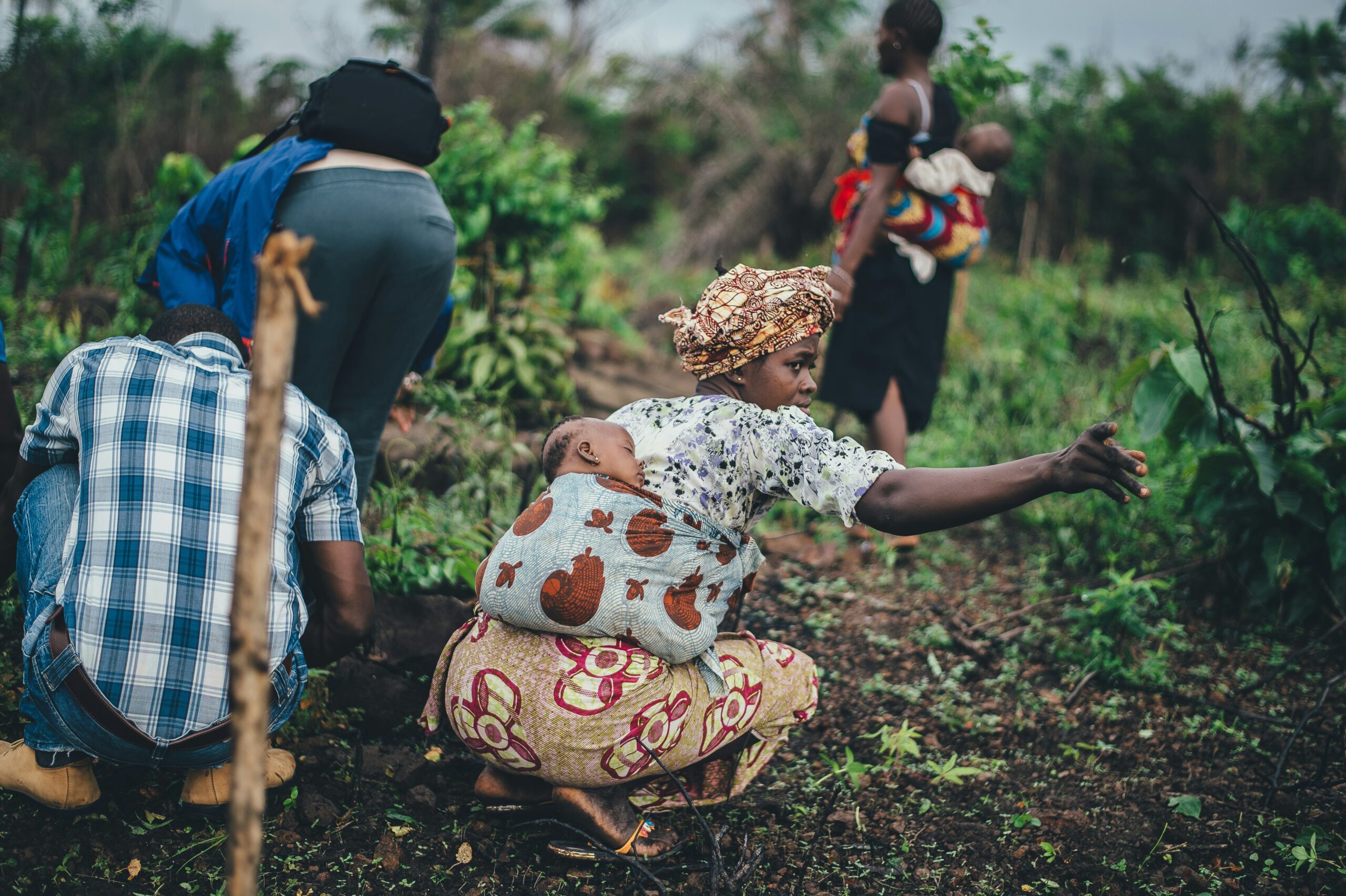
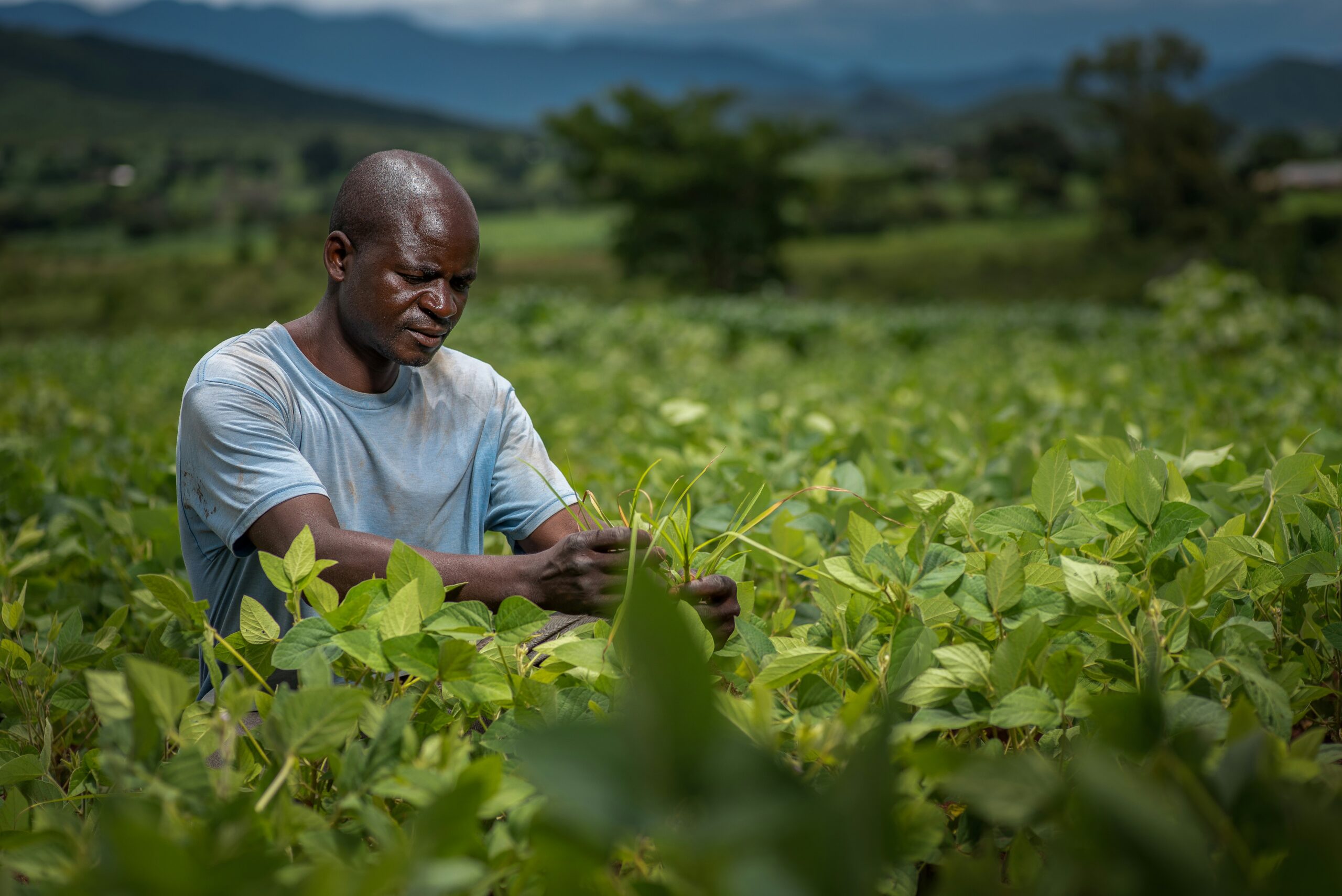
It is 6 a.m. in a farming community in Bauchi. Mr Abdul steps outside and looks at the sky, wondering when the rain will come. He knows when to plant, when to harvest and how to read the seasons, but this year the weather feels less predictable.
In Lagos, Iya Bose arranges tomatoes and peppers at her stall. She knows how quickly prices can change. If harvests fail or transport costs rise, her customers may struggle to afford their usual meals.
In Abuja, Obiye, a student, walks to school under an increasingly fierce sun, while Mr Gabriel’s family in a flood-prone neighbourhood worries about the next heavy downpour.
Their lives are different, but all of them depend on the climate. Now, scientists are warning about El Niño.
What Is El Niño?
El Niño is a natural climate phenomenon in which surface waters in the central and eastern tropical Pacific Ocean become unusually warm. This warming changes atmospheric circulation and can alter rainfall and temperature patterns thousands of kilometres away. Some regions may experience drought, while others may face heavy rain and flooding.
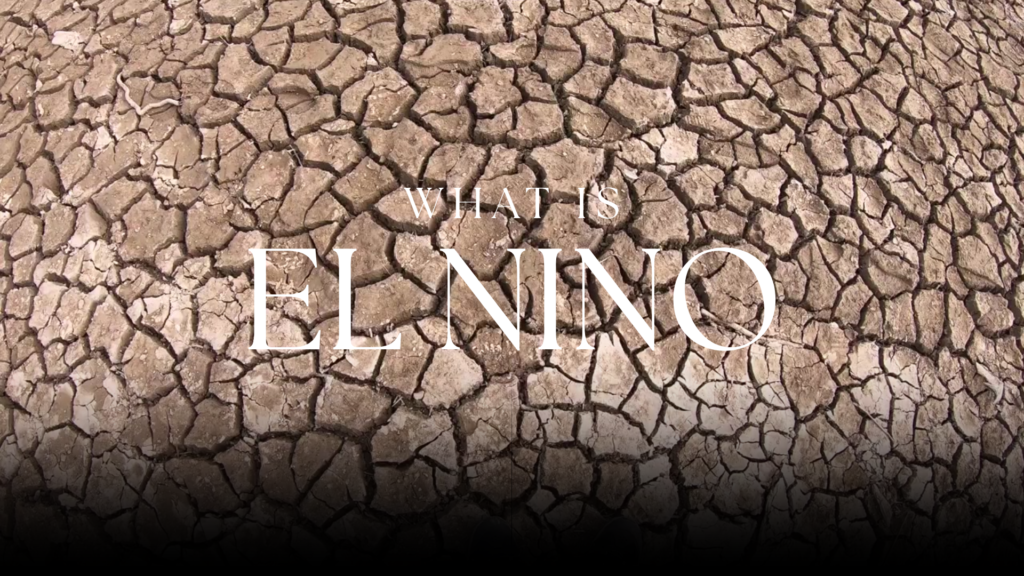
“Super El Niño” is a popular term for an exceptionally strong event. It is not an official category. Agencies such as the US National Oceanic and Atmospheric Administration (NOAA) classify El Niño events by strength. On 3 September 2026, the World Meteorological Organization (WMO) reported that El Niño was firmly established, would intensify into a very strong event, and was almost certain to persist through February 2027.
Not every country will experience the same effects. For West and Central Africa, the United Nations Development Programme (UNDP) notes that seasonal forecasts still disagree, and the exact impact on each Nigerian state remains uncertain. We should therefore pay attention without spreading panic.
What Could It Mean for Nigeria?
Farmers carry much of the risk. Maize, millet, sorghum and rice depend not only on whether it rains, but also on when the rains begin, how steadily they fall and when they stop. Too little rain can stunt crops, while too much can cause erosion and flooding.
Heat becomes a health issue. Roadside traders, construction workers and students already endure high temperatures. Extreme heat raises the risk of heatstroke and puts stress on animals and crops, especially where electricity, clean water and shade are limited.
Food prices may come under pressure. Iya Bose does not need to understand Pacific temperatures to feel the effects of a poor harvest. If production drops or flooding disrupts transport, supplies may become limited. Insecurity and fuel costs already push prices up, so El Niño would add to these pressures rather than be their only cause.
Flooding is still possible. Many people hear “El Niño” and think only of drought, but its effects on West African rainfall are complex. Even a drier season can include dangerous bursts of intense rain, and flooding also depends on drainage, land use and where people have built their homes.
This is why we must prepare for several possibilities rather than bet on just one.
Closer to Home: When Water Ran Short in Gwako
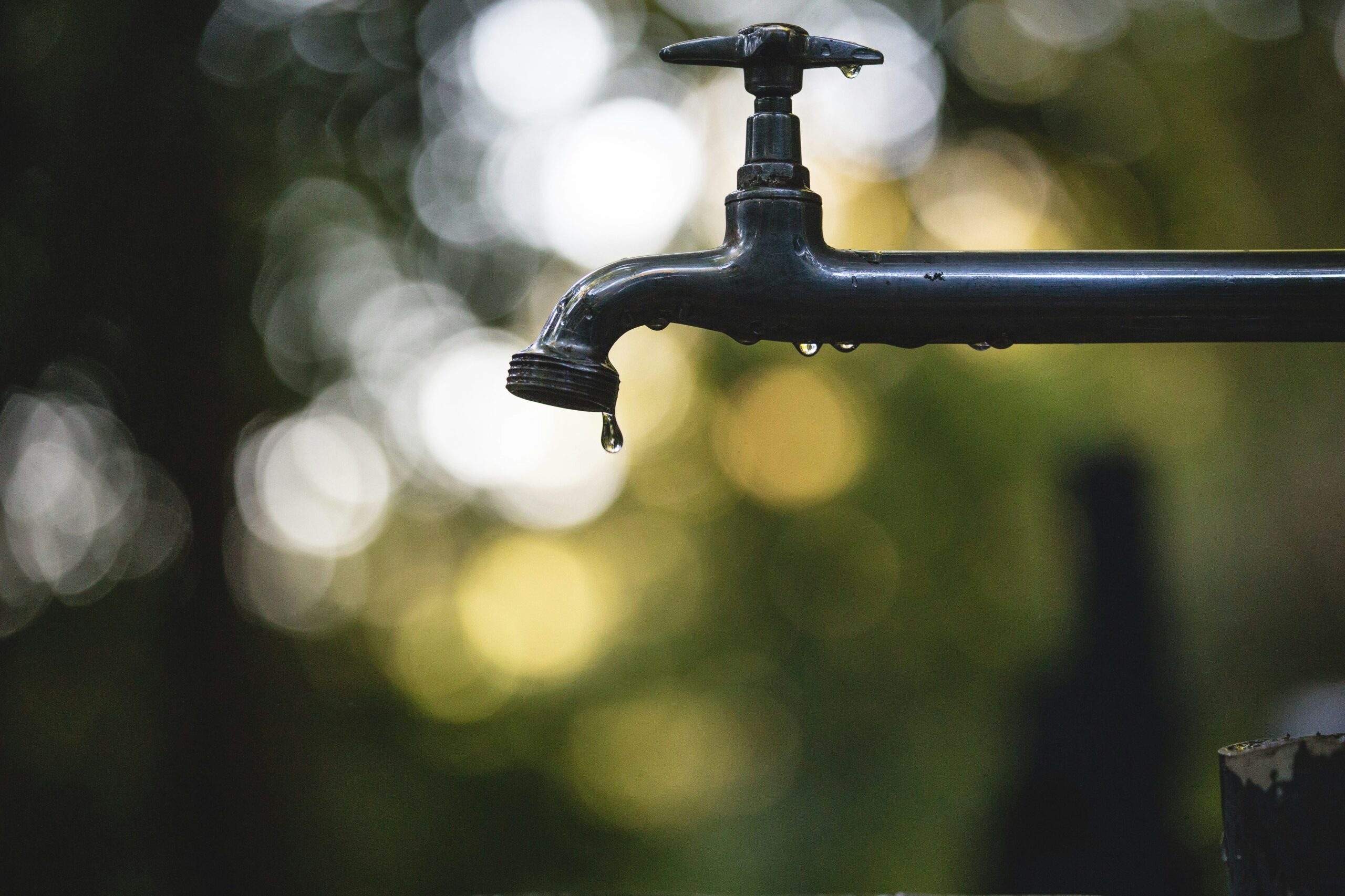
You do not need an El Niño event to see how quickly things can unravel. According to a resident of the community, a power outage on Thursday, 22 October 2026, left Gwako, near Gwagwalada in Abuja, with very little water for two days. Almost immediately, the price of water rose sharply and remained high for several days. Families had to stretch what they had or pay more, and some people drank less water than they needed.
It was a small event, but it shows how fragile access to basic necessities can be. If a short outage can cause this much disruption, imagine a prolonged spell of extreme heat, when people need more water than usual and supplies are under even greater strain.
Climate shocks rarely arrive alone. They compound existing problems, such as unreliable electricity and limited water supplies. That is why preparedness must include essential services in smaller communities, not just flood-prone areas and farms. #CloserToHome
What Can We Do as Individuals?
- Follow official sources. Check NiMet’s forecasts and be wary of forwarded messages or alarming posts without reliable sources.
- Prepare for floods early. Keep drains clear, never dump refuse in gutters, learn your evacuation routes, and keep important documents in waterproof bags.
- Protect yourself from heat. Drink water, avoid strenuous work during the hottest hours, wear light clothing, and check on children, older people and outdoor workers. Severe dizziness, confusion or fainting can signal heatstroke, which is a medical emergency.
- Support farmers. Farmers should seek advice from agricultural extension officers rather than rely on social media predictions. Cooperatives can help members share equipment, improve storage and strengthen their bargaining power.
- Waste less food. Plan purchases, store food properly, and support local farmers and initiatives that reduce post-harvest losses.
- Talk about it. Explain El Niño in simple language at school, work, church, mosque or in your youth group. Awareness matters most when it leads to preparedness.
What Should We Demand from Government?
Individual action is not enough. No family can redesign a city’s drainage system, and no smallholder farmer can build national irrigation infrastructure. We should ask our leaders for:
- Information people can use. Localised warnings delivered by radio, television, SMS and extension officers in languages people understand.
- Long-term flood prevention. Maintained drains, protected waterways and better land-use planning, supported by published plans, budgets and timelines. Diverting floodwater from one community to another is not a solution.
- Food security. Climate-informed extension services, affordable irrigation, better storage, agricultural insurance and plans to manage price spikes or supply disruptions.
- Heat protection and reliable water. Public heat alerts, guidance for hospitals, shaded public spaces and safer working hours. Power cuts should not leave communities such as Gwako without water or at the mercy of sudden price hikes. Smaller communities need backup power for water systems and protection against price-gouging during emergencies.
- Protection for vulnerable people. Emergency plans must include people in informal settlements, displaced communities, older people and people with disabilities, as well as schools, hospitals and water systems.
- Early action and accountability. Funds, shelters and relief supplies should be ready before a disaster, not only afterwards. NiMet, NIHSA, NEMA, state agencies and ministries should coordinate, and citizens should be able to see the plans, spending and results.
Climate Action Must Outlast El Niño
El Niño is a natural phenomenon and is not caused by human activity. However, the world is warming because of greenhouse gas emissions, and this warming can make some extreme weather impacts worse. The WMO notes that climate change can amplify El Niño’s impacts, although there is no established evidence that it makes El Niño events themselves more frequent or intense.
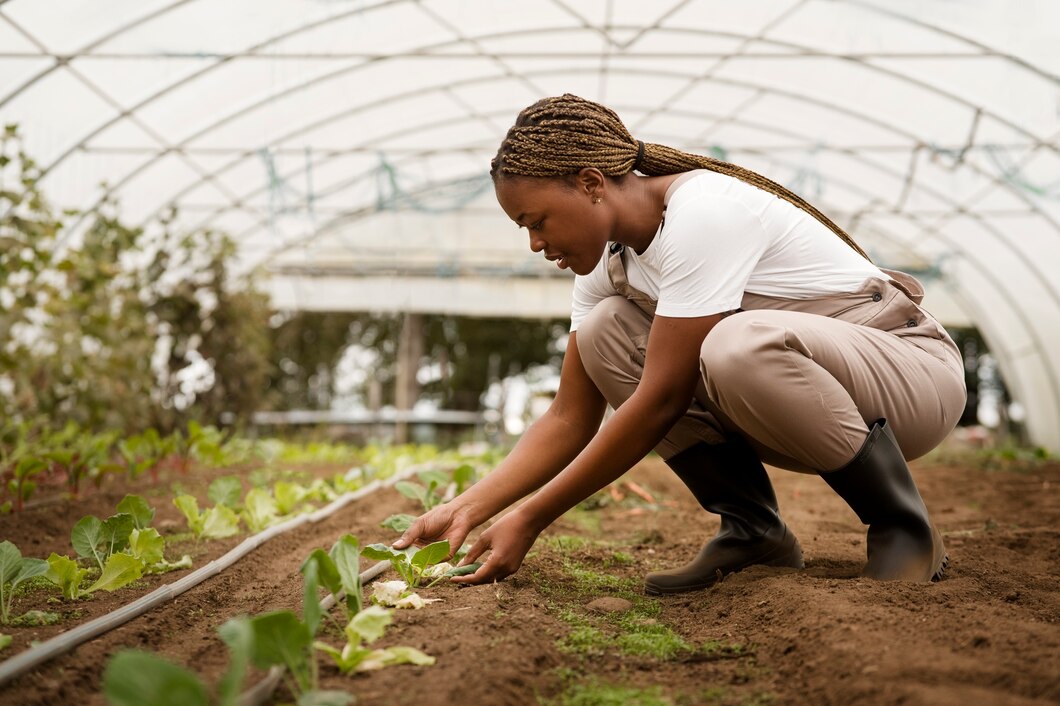
Nigeria must therefore prepare for immediate risks while also investing in renewable energy, forest and wetland protection, resilient infrastructure and sustainable farming. Planting trees cannot replace a flood-warning system, and cleaning a gutter cannot replace proper drainage. We need personal responsibility and institutional responsibility to work together.
The Story Isn’t Over
Picture Mr Abdul again, still watching the sky, but now holding a timely weather advisory and discussing planting options with an agricultural extension officer. Iya Bose has reliable information about local supplies, and less food is lost because storage has improved. Mr Gabriel’s family in the flood-prone area receives a clear warning, knows where to go and lives on a street with functioning drains. Obiye knows the signs of heat-related illness, and her school is better prepared.
That is the future preparedness can help build. It does not require predicting every storm; it requires using the information we have, acknowledging what we do not know and acting before people are harmed.
We should not claim that El Niño will bring drought or flooding everywhere, but neither should we dismiss the warning. Instead, let us ask: Are our farmers receiving useful climate information? Are our drains ready? Are our hospitals prepared to treat heat-related illness? Is the water supply secure in our smaller communities? Are vulnerable households included in emergency plans? Can we see where the money goes?
We cannot command the ocean to cool. But we can demand that our institutions prepare, strengthen our communities and refuse to treat preventable losses as inevitable.
When the rains become unpredictable and the heat unbearable, preparedness is not a luxury. It is protection, responsibility and a choice we must make together.
Sources
- World Meteorological Organization (WMO), “El Niño set to become very strong, raising risks of extreme weather into 2027,” 3 September 2026.
- United Nations Development Programme (UNDP), “UNDP calls for urgent anticipatory investment as El Niño worsens an already conflict-driven crisis in West and Central Africa,” 15 September 2026.
- Nigerian Meteorological Agency (NiMet), 2026 Seasonal Climate Prediction and latest updates.
- Nigeria Hydrological Services Agency (NIHSA), flood and drought information.