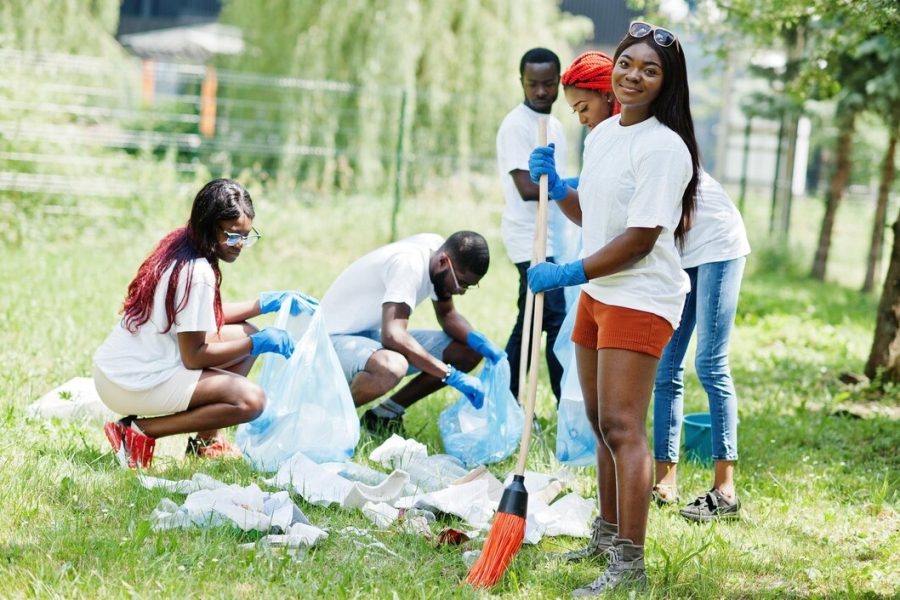
Across many communities today, waste management remains a growing environmental challenge. Plastic pollution, poor disposal systems, and increasing environmental degradation continue to affect public health, livelihoods, and the quality of our surroundings. At the same time, unemployment and limited economic opportunities leave many young people and women searching for sustainable ways to earn a living.
But what if these two challenges could be addressed together?
What if waste could become a tool for empowerment, innovation, and economic transformation?
At Green Mind International Academy, we believe that sustainability is not only about protecting the environment, it is also about creating opportunities for people and communities to thrive for a long time. This belief is at the heart of our Waste to Wealth Programme, funded by the European Commission under Erasmus + .
The programme is designed to equip over 400 women and youths with practical knowledge and hands-on skills in waste transformation, green entrepreneurship, circular economy principles, and sustainable income pathways.
More than just a training initiative, the project is a bold step toward building environmentally conscious communities where innovation, sustainability, and economic empowerment work hand in hand.
Rethinking Waste in a Changing World
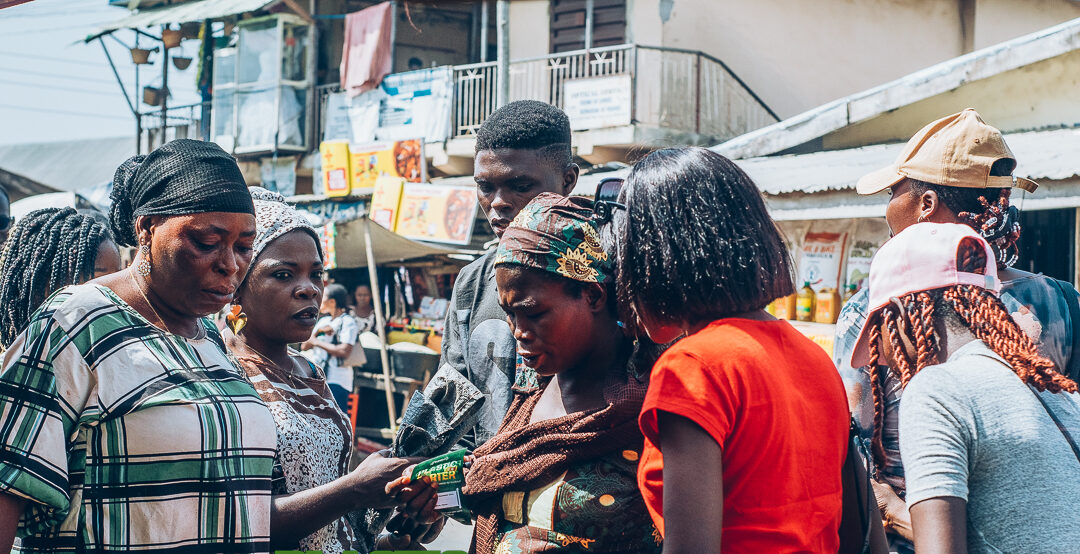
In many parts of the world and in Nigeria, waste is still viewed as something useless, something to throw away and forget.
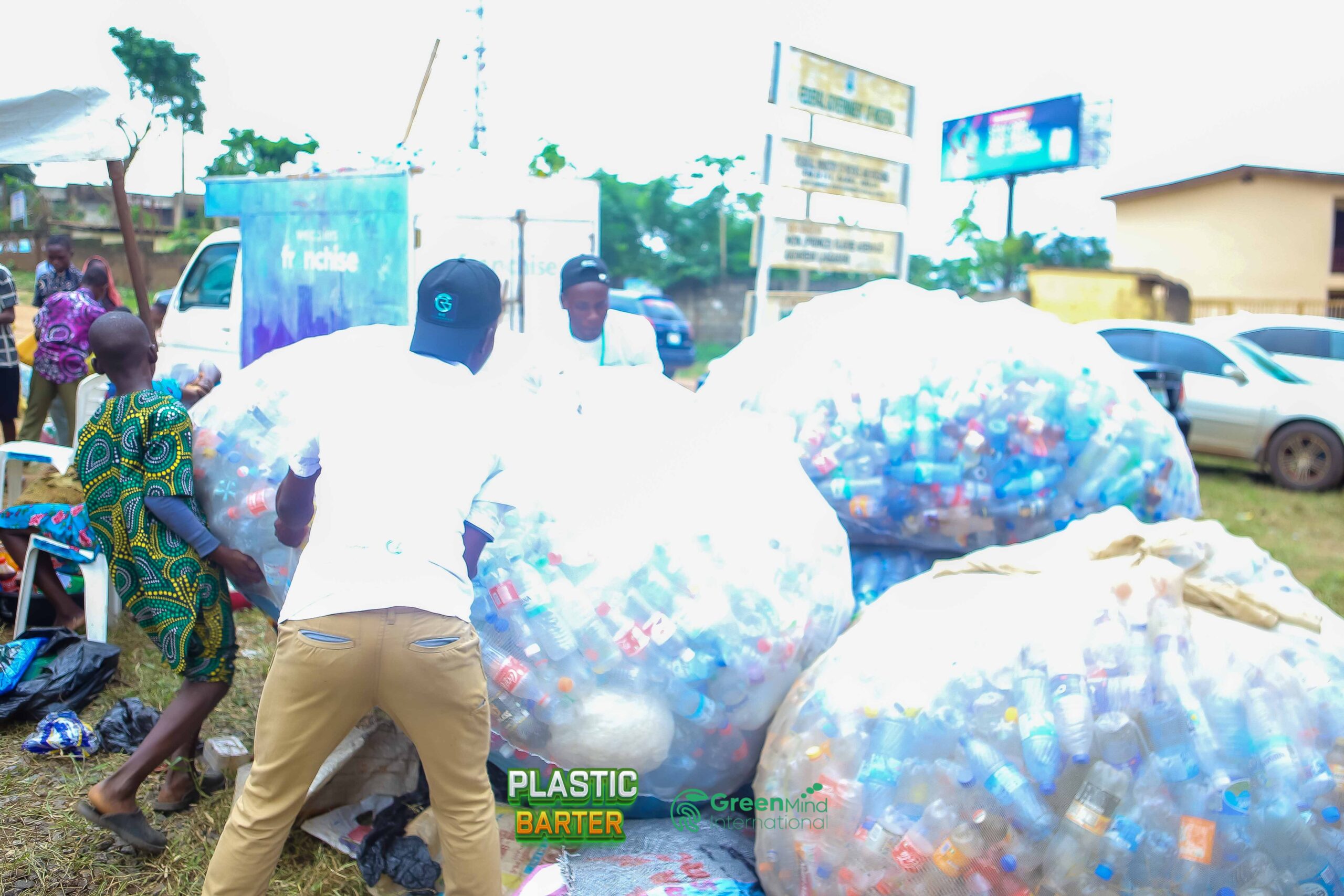
Yet every day, tons of recyclable and reusable materials end up polluting streets, drainage systems, water bodies, and ecosystems. The Waste to Wealth (W2W) Programme challenges this mindset by encouraging participants to see waste differently.
Instead of seeing plastic wastes as problems, participants are learning how these materials can become valuable resources. Through practical sessions and interactive learning experiences, trainees are exposed to creative and innovative methods of transforming waste into useful and marketable products.
This shift in thinking is deeply connected to the principles of the circular economy, a system that focuses on reducing waste, reusing materials, and creating sustainable cycles of production and consumption.
Rather than the traditional “use and dispose” model, the circular economy encourages communities to maximize resources, reduce environmental harm, and create long-term value.
For many participants, this approach opens an entirely new way of understanding sustainability and entrepreneurship.
Equipping Participants With Practical Skills
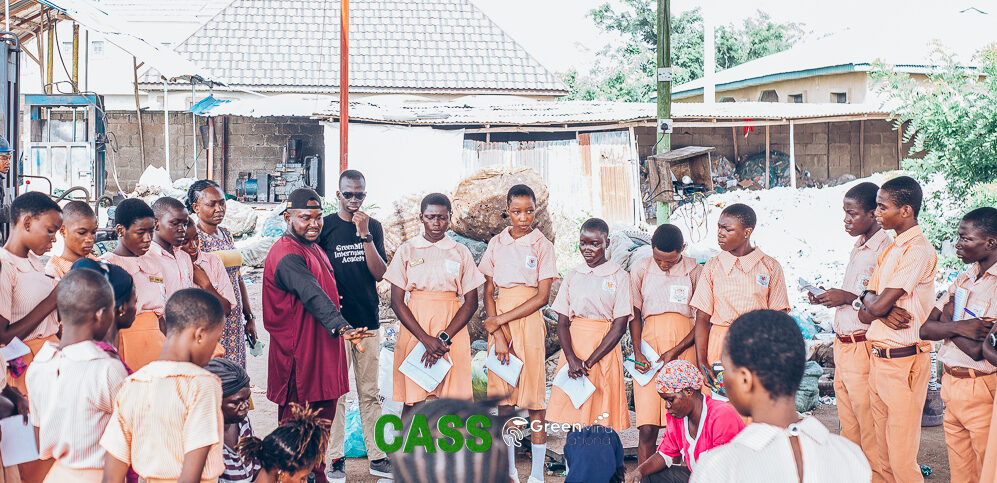
One of the most impactful aspects of the programme is its strong focus on practical learning and real-world application.
Participants are not simply attending lectures or listening to theories. They are actively learning skills that can help them build sustainable livelihoods and become contributors to the growing green economy.
The training covers key areas such as:
- Waste transformation and recycling techniques
- Upcycling and creative reuse
- Sustainable production practices
- Green entrepreneurship and business development
- Environmental sustainability education
- Circular economy principles
- Income generation opportunities within the green sector
Through these sessions, participants gain valuable exposure to innovative ideas and practical solutions that can be implemented within their own communities.
The programme also encourages creativity and problem-solving, helping participants understand that sustainability itself can become a pathway for innovation and enterprise.
Empowering Women and Youths Through Green Entrepreneurship
Women and youths remain central to social and economic development in communities around the world. Yet many still face barriers to accessing opportunities, resources, and entrepreneurial support.
The Waste to Wealth Programme seeks to bridge this gap by intentionally focusing on empowering these groups with relevant skills and sustainable opportunities.
By training over 400 women and youths, the initiative is helping participants build confidence, discover their potential, and explore new economic possibilities within the environmental and sustainability sector.
Green entrepreneurship is a major focus of the programme because it provides participants with pathways to create businesses and income streams while contributing positively to the environment.
Participants are encouraged to think beyond traditional employment and begin exploring how sustainable ideas can become profitable ventures. From recycled products and eco-friendly crafts to sustainable services and community recycling initiatives, the opportunities within the green economy continue to expand.
The programme helps participants understand that environmental action and economic growth do not have to exist separately. They can work together to create stronger, healthier, and more resilient communities.
Creating Lasting Environmental and Social Impact
Beyond individual empowerment, the Waste to Wealth (W2W) Programme is also designed to create wider community impact.
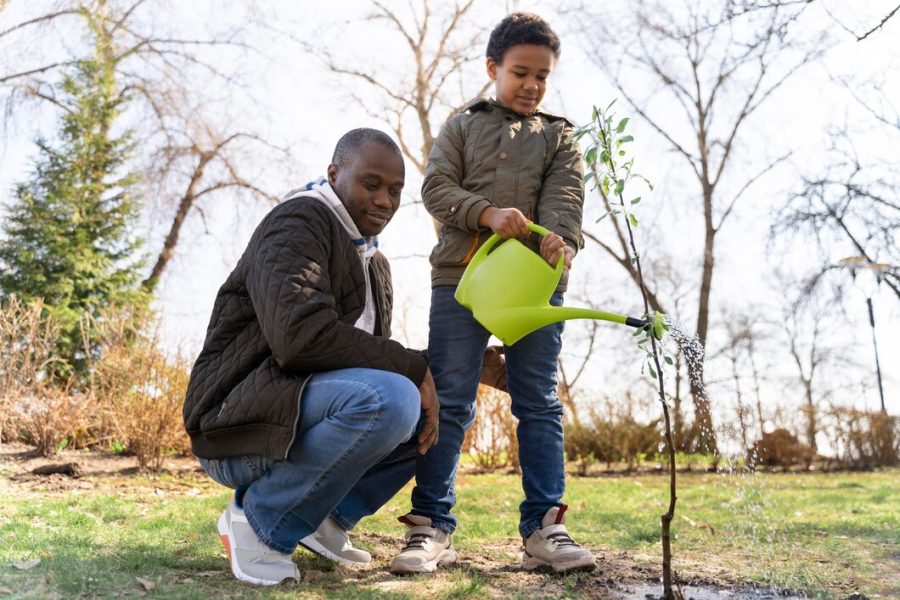
Every participant trained becomes a potential advocate for sustainability within their family, school, workplace, or community. As knowledge spreads, communities become more aware of responsible waste management practices, environmental protection, and sustainable living.
The long-term impact of the Waste to Wealth programme extends far beyond the training sessions. Here are some of the outcomes of sustainable initiatives like the Waste to Wealth programme.
Cleaner communities. Reduced waste pollution. Increased environmental awareness. New business opportunities. Improved livelihoods. Stronger local economies.
The programme also contributes to global conversations around climate action, sustainable consumption, and community resilience by promoting solutions that are practical, inclusive, and community-driven.
Building a Greener Future Together
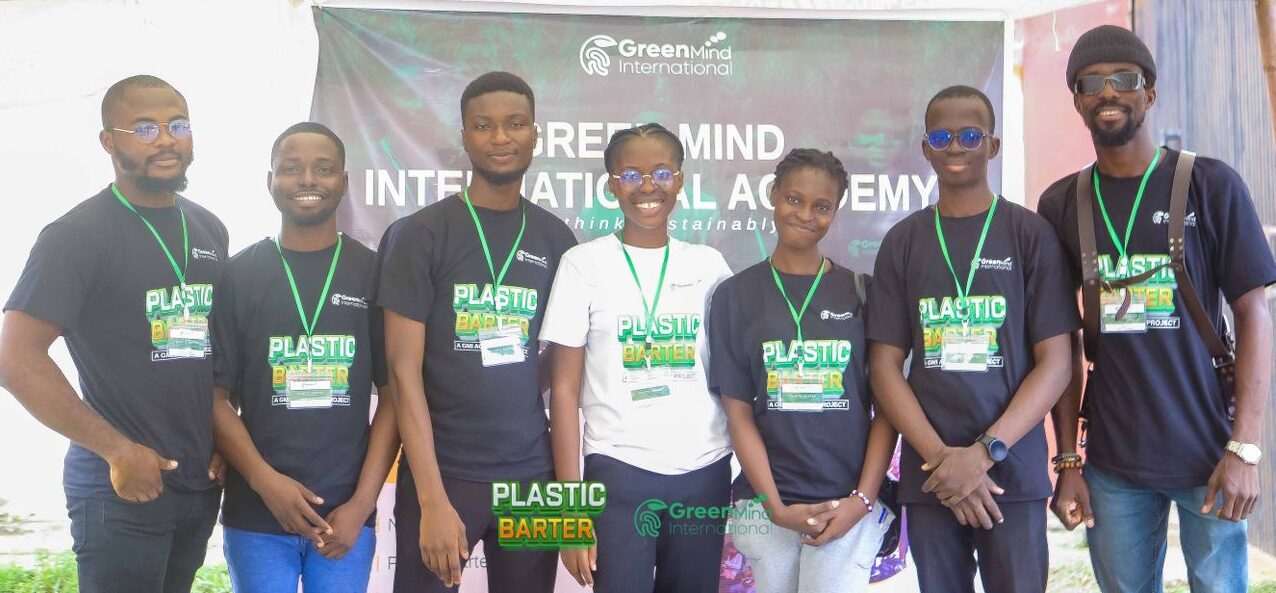
At Green Mind International Academy (GMI), we believe that meaningful change begins when people are equipped with knowledge, empowered with skills, and inspired to take action. This programme is proof that sustainability can create real impact not only for the planet, but also for people.
As the programme continues to empower women and youths, foster green entrepreneurship, and promote circular economy practices, we remain committed to building a future where communities are cleaner, livelihoods are stronger, and opportunities are accessible to all. Because when people begin to see value where others see waste, transformation becomes possible. And that transformation can change communities for generations to come.